#1 Mold Removal McLean VA
From finished basements in Chesterbrook to crawl spaces under Pimmit Hills additions, we find the moisture, remove the growth, and fix the cause — so it doesn't come back. Detailed inspections, written scopes, discreet crews — from a licensed, locally owned team serving McLean since 2008.
What are the signs you need mold removal in McLean, VA?
Humid NoVA summers, Potomac River air, and spring nor'easters that knock out sump pumps — this area gives mold plenty of invitations. Here's what to watch for — and when to call our mold removal McLean team:
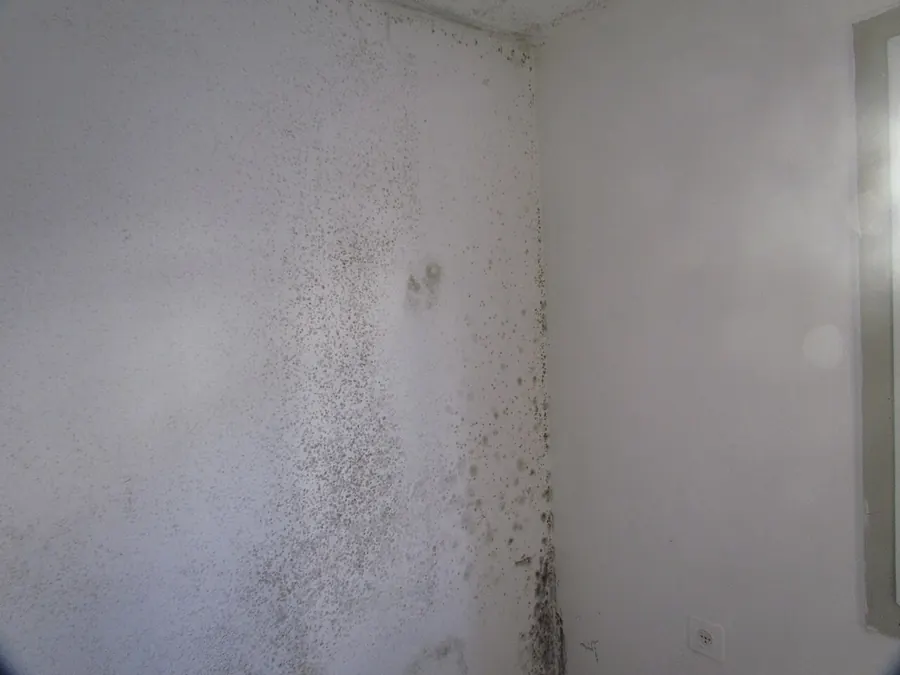
- A musty smell in the finished basement. That home theater or in-law suite in your 1960s brick colonial shouldn't smell like a locker room. Musty odor means active moisture somewhere.
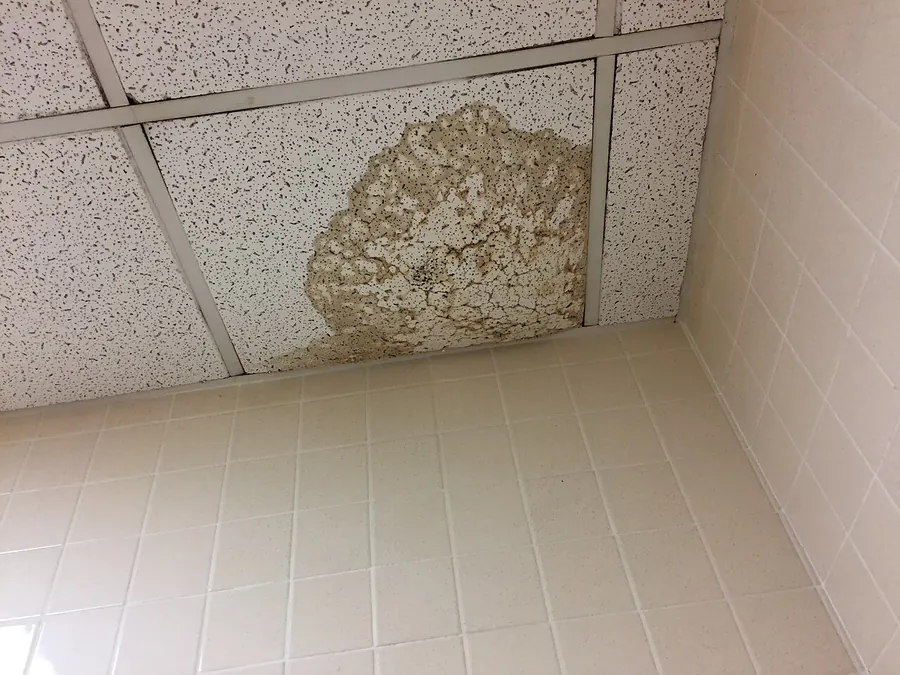
- Staining or discoloration on drywall and ceilings. Yellow-brown water stains under bathrooms, around windows, or along the foundation wall line.
- Condensation on ductwork or pipes. Aging HVAC in older Lewinsville and Chesterbrook homes sweats all summer — and that drip feeds growth.
- A sump pump that failed — or barely kept up. After a heavy spring storm, check the crock. If it ran constantly or the power flickered, assume water found a way in.
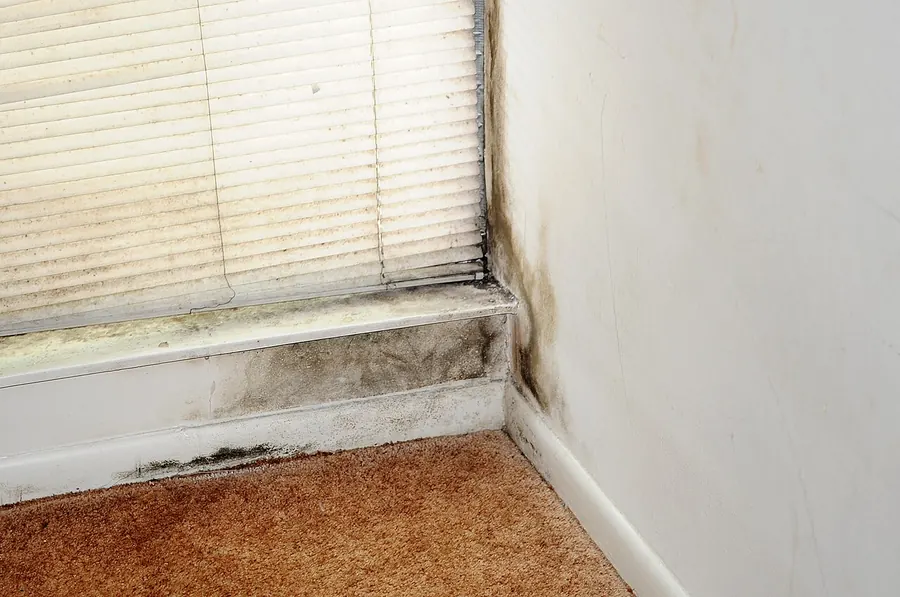
- Peeling paint or warping at the base of walls. Classic sign of grading problems on McLean's sloped lots, where water runs toward the foundation instead of away.
- A buyer's inspector flagged "microbial growth." In this market, that phrase kills deals. Get a professional scope before it costs you the sale.
What mold services do you offer in Northern Virginia?
One team for the whole job — from the first moisture reading to the final verification. Every mold removal McLean service starts with an inspection.
Mold Remediation
Contained removal of visible growth, HEPA-filtered cleanup, and moisture-source correction — done to a written scope.
Mold Inspection & Testing
A careful on-site look for visible growth, moisture readings, and the conditions that let mold take hold.
Black Mold Removal
Fast, contained response for dark or widespread growth — inspection first, then a clear remediation plan.
Basement Mold Removal
Basement walls, floors, and storage areas dried, cleaned, and protected against the damp that feeds regrowth.
Crawl Space Mold Removal
Crawl space growth removed and the moisture behind it addressed — ventilation, drainage, and encapsulation options.
Attic Mold Removal
Attic growth traced to its source — roof leaks, bath-fan venting, or condensation — then remediated and corrected.
Air Quality Testing
Indoor air sampling that tells you what's floating in your air and whether hidden growth may be the cause.
Commercial Mold Remediation
Discreet remediation for offices, retail, and multi-unit buildings — scheduled around your business hours.
How does your mold remediation process work?
Four steps, in writing, before we touch a wall — detailed inspection, a line-by-line scope and fixed price, contained HEPA-filtered remediation, then the moisture fix that keeps it from coming back.
Detailed inspection
We walk your home with moisture meters, find the growth, and trace the water getting in — basements, crawl spaces, attics, behind walls.
Written scope & price
You get a line-by-line plan: containment, removal, cleaning, and the moisture fix. Approve it, and that price is the price.
Contained remediation
Sealed work zones, HEPA-filtered negative air, careful removal and cleaning. Shoe covers on, daily cleanup, minimal disruption.
Fix the moisture, verify
We correct the source — drainage, ventilation, sump, dehumidification — then verify moisture levels are back where they belong.
Since July 2024, Virginia Requires IICRC Certification for Mold Remediation
In July 2024, Governor Glenn Youngkin signed HB 1270 into law. It makes it a violation of the Virginia Consumer Protection Act to sell residential mold remediation services without holding a mold remediation certification from a nationally or internationally recognized certifying body (updated by HB 2195 in 2025). The bill passed both the Virginia Senate and House of Delegates unanimously.
Before this law, Virginia had repealed its mold contractor licensure program — which meant anyone with a van could claim to do this work. Legislators heard enough complaints to act: as IICRC Director of Government Relations Robbie Bradshaw put it, “Several legislators told me that improper mold remediation was a common subject of calls they receive from constituents.”
Our technicians hold IICRC certification, and we work to the IICRC S520 Standard for Professional Mold Remediation — contained work zones, HEPA-filtered negative air, actual removal (not just spraying), moisture-source correction, and independent verification.
- IICRC-certified technicians on every job — required by Virginia law since July 2024
- Ask any contractor for proof of certification before you sign
- Companies offering residential remediation without recognized certification are violating the Virginia Consumer Protection Act (HB 1270, updated by HB 2195)
- Written scope and fixed price before work begins
What Mold Remediation Actually Costs in McLean
Every job is quoted after an on-site inspection — never blind. But here are the honest ranges for our market, so you can spot a bad quote when you see one:
| Service | Typical range | Notes |
|---|---|---|
| Professional inspection | $300–$600 | Moisture mapping, written scope |
| Air sampling | $75–$150 per sample | When hidden growth is suspected |
| Contained remediation | $10–$25 per sq ft | Most common range; severe cases $25–$30+/sq ft |
| Post-remediation clearance testing | $150–$500 | Independent verification the job is done |
What drives the price up
- Size of the affected area — cost scales with square footage
- Accessibility — behind walls, under floors, or in HVAC costs more in labor
- Material damage — drywall, insulation, or wood replacement adds to the remediation itself
- Containment — polyethylene isolation with negative air typically runs $500–$1,500 per project
- The leak fix is separate — repairing the water source is its own line item, not part of mold cleanup
Red flags in a quote
Watch for unnecessary testing pushed on visible growth, excessive demolition, pressure to hire an “emergency” contractor on the spot, and quotes with no line items. Get the scope in writing and compare it — a serious company itemizes containment, removal, cleaning, and the moisture fix separately.
How does mold affect a McLean, VA home sale?
At a $1.3M median home price, buyers don't shrug at a mold flag on an inspection report — they walk, or they demand five-figure credits. We've seen it stall closings from Chesterbrook to Langley.
Sellers: a pre-listing inspection lets you remediate on your timeline and hand buyers clean documentation instead of a renegotiation.
Buyers: if your inspector found growth in that Chesterbrook colonial or Lewinsville split-level, we give you a real scope and price — ammunition for negotiation, not anxiety.
An honest note about Virginia licensing
Virginia does not license mold contractors — the state's licensure program was repealed, so your choice of company is the whole ballgame. But state law (HB 1270, updated by HB 2195 in 2025) makes it a Consumer Protection Act violation to sell residential mold remediation without certification from a nationally or internationally recognized certifying body — ask every company for proof.
- Technicians certified by nationally recognized bodies (IICRC, ACAC)
- Full written scope before work begins — not a verbal estimate
- Containment and HEPA filtration protocol, explained upfront
- Proof of insurance and local references you can actually call
Ask every company you interview: "What standard do you follow, and what's your containment protocol?" The serious ones answer immediately.
Why McLean Homes Get Mold
It isn’t bad luck — it’s geography and housing stock. Here’s what we see driving mold calls across McLean year after year:
- Close to 40 inches of rain a year. Fairfax County’s rainfall makes water intrusion one of the most reported basement and crawl space issues in Northern Virginia.
- Humidity does the rest. Common indoor molds like Penicillium and Aspergillus need only about 60% relative humidity to grow — a McLean summer hits that without trying.
- 24–48 hours is all it takes. After a water event in humid conditions, mold establishes within a day or two. A sump pump failure over a weekend can mean growth by Monday.
- Older homes, close together. McLean’s 1950s–1970s colonials and ramblers — most with basements and crawl spaces — sit on sloped lots where water runs toward the foundation.
- Potomac proximity. Floodplain edges, high water table near creeks, and mature tree cover that keeps roofs and gutters damp.
- Peak season: summer into early fall, when warm, humid Gulf air reaches the Mid-Atlantic and every basement runs damp.
The mechanism: clay-heavy soil, then a finished wall
Clay-heavy soil holds water against the foundation long after rain stops. That water seeps at the wall/floor joint and through hairline cracks, then sits behind finished-basement drywall — paper-faced drywall and carpet pad against below-grade block are the surfaces it grows on, hidden for months.
Vented crawl spaces do the same job from below: humid summer air comes in through open vents and condenses on cool joists and subfloor, so a musty first floor often traces back to moisture under the house.
McLean mold guides
Background reading on cost, hiding spots, and insurance claims.
Mold Removal Cost in McLean
What mold removal costs in McLean and what drives the price.
Where Mold Hides in McLean Homes
The rooms and corners where mold hides in McLean homes, and what to look for.
Mold Insurance Claims in McLean
What’s covered, what’s not, and how to file a mold insurance claim.
Latest from the McLean mold blog
Practical reading for McLean homeowners — what the law requires, where damp hides, and when a smell means a bigger job.
Virginia Mold Remediation Law: Hiring Checklist
What Virginia's 2024 and 2025 mold laws require before a company can sell you the work.
Finished Basement Mold McLean: Clay Soil Risks
How McLean's clay soil holds water against foundations, and the checks that catch it early.
Mold in HVAC System: Coils, Drain Pans, and Ductwork
Why a musty smell when the AC starts usually points to the coil and drain pan.
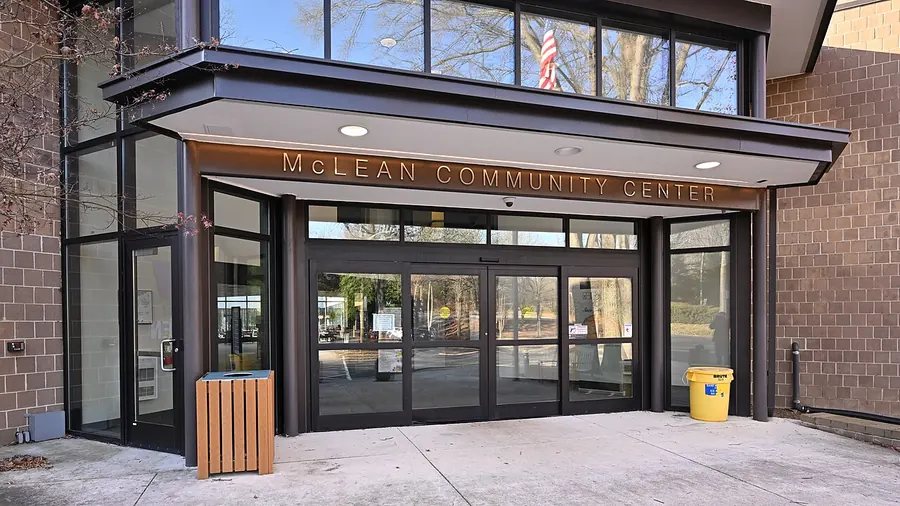
Proudly serving McLean & Northern Virginia
Searching for mold removal near me? We’re based near the Chain Bridge Rd corridor, and we bring mold removal McLean homeowners rely on to every neighborhood — from Potomac Hills to West McLean, inside the Beltway and out.
Mold Myths We Hear Every Week
The internet is full of mold advice. Here’s what the EPA and CDC actually say — and what we tell McLean homeowners at the kitchen table:
“Bleach kills mold”
It doesn’t — not where it counts. Mold grows microscopic roots into porous drywall and wood; bleach’s chlorine stays on the surface while its water component soaks in and can feed regrowth. The EPA is direct: “It is not enough to kill the mold. It must also be removed.” A 250-franchisee ServiceMaster survey ranked this the #1 most common mold myth.
“All black mold is toxic”
Color tells you nothing about danger. The CDC’s guidance: “If you see or smell mold, you should remove it. You do not need to know the type of mold.” Dark growth on a shower tile and dark growth from a wall leak are completely different situations — what matters is the extent of growth and the moisture feeding it, not the shade.
“You always need mold testing”
Usually not. The EPA says sampling is generally unnecessary when mold is visible — fix the moisture, remove the growth. There are no federal standards for “acceptable” mold levels, so there’s no way to pass or fail an air test. Testing earns its keep for suspected hidden growth and post-remediation verification.
“Just paint over it”
The EPA: “Do not paint or caulk moldy surfaces. Clean up the mold and dry the surfaces before painting. Paint applied over moldy surfaces is likely to peel.” Paint seals the moisture in and the growth continues underneath — then it peels, and you’re back where you started with a bigger problem.
DIY vs Pro: The EPA’s 10 Square Foot Rule
We’ll be straight with you: not every mold patch needs a professional. The EPA’s rule of thumb — if the moldy area is less than about 10 square feet (roughly a 3 ft. by 3 ft. patch) on a hard surface, you can usually handle it yourself. Wear an N95 respirator, goggles, and gloves; scrub with detergent and water; dry the area completely.
Call a professional when: the area is larger than 10 square feet, the water came from sewage or contaminated sources, there’s growth in the HVAC system, you suspect hidden mold behind walls, someone in the home has asthma or a compromised immune system — or the mold keeps coming back. And the EPA’s most important warning: “If you clean up the mold, but don’t fix the water problem, then most likely, the mold problem will come back.”
Why this matters to us
A company that tells you when you don’t need them is a company you can trust when you do. We’d rather give you the honest 10-square-foot answer on the phone than sell you a job you don’t need.
If your patch is bigger than that — or you’re not sure what you’re looking at — start with an inspection. We’ll tell you straight.
Mold removal McLean questions, answered straight
Every job differs, so we quote after a on-site inspection — never blind. Nationally, small contained jobs typically run in the hundreds and larger multi-room remediation in the thousands; McLean's finished basements vary. Your written quote reflects the area affected, the moisture source, and materials involved. Fixed price, no surprises.
Most single-area jobs — a basement wall, crawl space, or attic — take one to three days once work begins. Larger jobs with moisture repairs take longer. Your written scope includes a firm timeline, and we plan the work around your schedule.
Usually not. We build sealed containment around the work area and run HEPA-filtered negative air pressure so the rest of your home stays clean and usable. For very large jobs or sensitive situations we'll tell you honestly if temporary relocation of a room makes sense — but most McLean families stay home throughout.
Mold returns when moisture returns — that's the honest answer. Our scope always fixes the source first: the failed sump pump, grading sloping toward your foundation, the bath fan venting into the attic. Remove the growth, fix the water, and it stays gone.
Correct — Virginia repealed mold contractor licensure, so anyone can claim this work. Look for IICRC- or ACAC-certified technicians, a written scope before starting, proof of insurance, and local references. Ask every candidate: 'What's your containment protocol?' Serious companies answer immediately.
An inspection uses trained eyes plus moisture meters to find visible growth, trace water entry, and map the extent. Testing sends air or surface samples to a lab — useful for suspected hidden growth, real-estate documentation, or post-remediation verification. Many jobs need only an inspection, and we'll tell you straight.
'Black mold' is a color description, not a species — several common molds look dark, and color alone can't identify what's growing. Only lab testing identifies species. What matters more than the color is the extent of the growth and the moisture feeding it. Book a detailed inspection and we'll assess both, without scare tactics.
Sometimes, and it depends on the cause. Sudden, accidental water events are treated very differently from long-term leaks or maintenance issues, and every policy draws the line somewhere different. We document everything with photos and a written scope, which is exactly what adjusters ask for — then you can have an informed conversation with your carrier.
In a $1.3M-median market, mold found during a buyer's home inspection kills deals or triggers steep credits. A pre-listing inspection lets you handle it on your timeline, with documentation that reassures buyers instead of a last-minute scramble. We work with sellers throughout Chesterbrook, Langley, and Salona on exactly this.
For a tiny patch on tile, maybe. But bleach can't reach mold in porous drywall or wood, and scrubbing a large area without containment spreads spores house-wide. If it covers more than a few square feet, keeps returning, or the moisture source is unknown, get a professional scope.
Yes. When a pipe bursts or storm water floods a basement, mold can start growing within 24 to 48 hours — waiting is what turns a small job into a big one. Call us and we’ll prioritize an emergency visit: inspection the same day where possible, containment to stop the spread, and a written remediation plan. If water is still coming in, shut it off first if you can do it safely, then call.
Yes — if you’re in McLean or nearby Northern Virginia, our crews come to you. We’re based near the Chain Bridge Rd corridor and serve every McLean neighborhood, from Potomac Hills to West McLean. Call (571) 749-1606 and we’ll confirm your area by phone.
We take moisture readings through the drywall, map where the growth is, photograph what we find, and write you a scope with a fixed price. If the honest answer is that the patch is minor, we say so instead of selling you a job.
The inspection usually takes 45–90 minutes for a typical single-family home. The written scope names the affected areas, the moisture source, containment, what is removed versus cleaned, and verification — written so your agent can attach it to the negotiation. We do not promise a same-day turnaround; the scope is written after the on-site visit, not over the phone.
What McLean homeowners say
Every review below is from a real McLean job — basements, attics, and crawl spaces we've actually remediated.
“After heavy rain flooded our basement in McLean, we found black mold along the walls and behind the drywall. The team came out the same week, contained the area, and removed everything safely. They also fixed the moisture problem so it wouldn't come back. The basement is dry, clean, and finally usable again.”
“I was worried because I kept smelling something musty upstairs but couldn't see anything. They did a thorough inspection and air testing, and found mold in the attic from poor ventilation. They explained every step and gave me a clear written plan. The follow-up test came back clean, and the house smells fresh again.”
“We had a mold issue in our bathroom and crawl space and got a few quotes around Northern Virginia. This company was honest, on time, and never tried to upsell us. The crew wore full protective gear, sealed off the work area, and left everything spotless. I'd recommend them to any McLean homeowner.”
Before & after: real McLean mold jobs
Two recent jobs, documented start to finish — the problem, what we did, and the cleared result.
Basement Mold After Flooding — McLean, VA
Services: Moisture mapping, containment, HEPA air filtration, drywall & insulation removal, antimicrobial treatment, post-remediation testing
After a severe storm, water seeped into the homeowners' finished basement. Within weeks, they noticed a musty odor and dark patches along the baseboards. An inspection found mold spreading behind the drywall and into the insulation, with elevated moisture levels in the lower 3 feet of the walls.
We sealed off the affected area with containment barriers and ran HEPA air scrubbers throughout the job. Damaged drywall and insulation were removed and bagged for disposal, and the remaining framing was cleaned and treated. We then dried the space with commercial dehumidifiers until moisture readings were back to normal. We also pointed out the exterior grading issue that was letting water in, so the homeowners could fix the root cause.
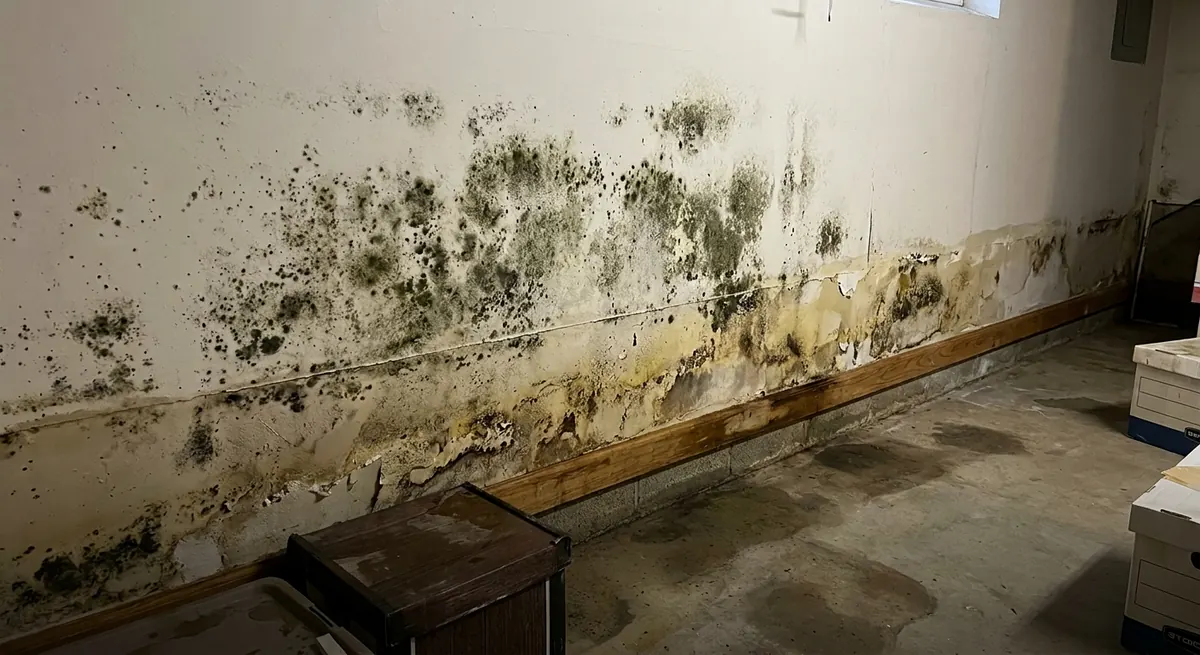
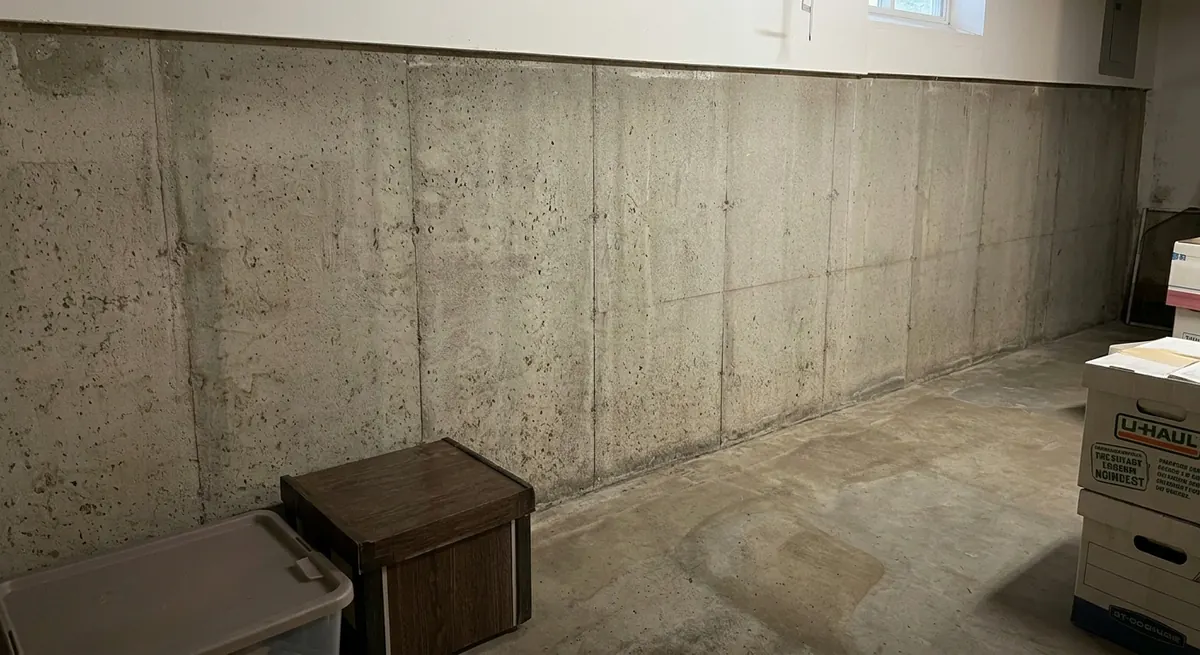
Post-remediation testing confirmed the area met clearance standards. The basement was ready for the homeowners to rebuild and finish.
“They explained everything before they started, and the basement smells normal again.” — Homeowner, McLean, VA
Attic Mold from Poor Ventilation — McLean, VA
Services: Inspection, air sampling, mold removal from roof decking, ventilation assessment, preventive treatment
The homeowners noticed a musty smell on the second floor, but nothing was visible in the living areas. Our inspection found mold across the roof decking in the attic. The cause was trapped moisture from blocked soffit vents and bathroom fans venting into the attic instead of outside.
We isolated the attic, removed mold from the affected wood surfaces using HEPA vacuuming and approved cleaning methods, and applied a protective treatment. We recommended clearing the soffit vents and rerouting the bathroom exhaust fans to the exterior, and the homeowners had these fixed by their contractor.
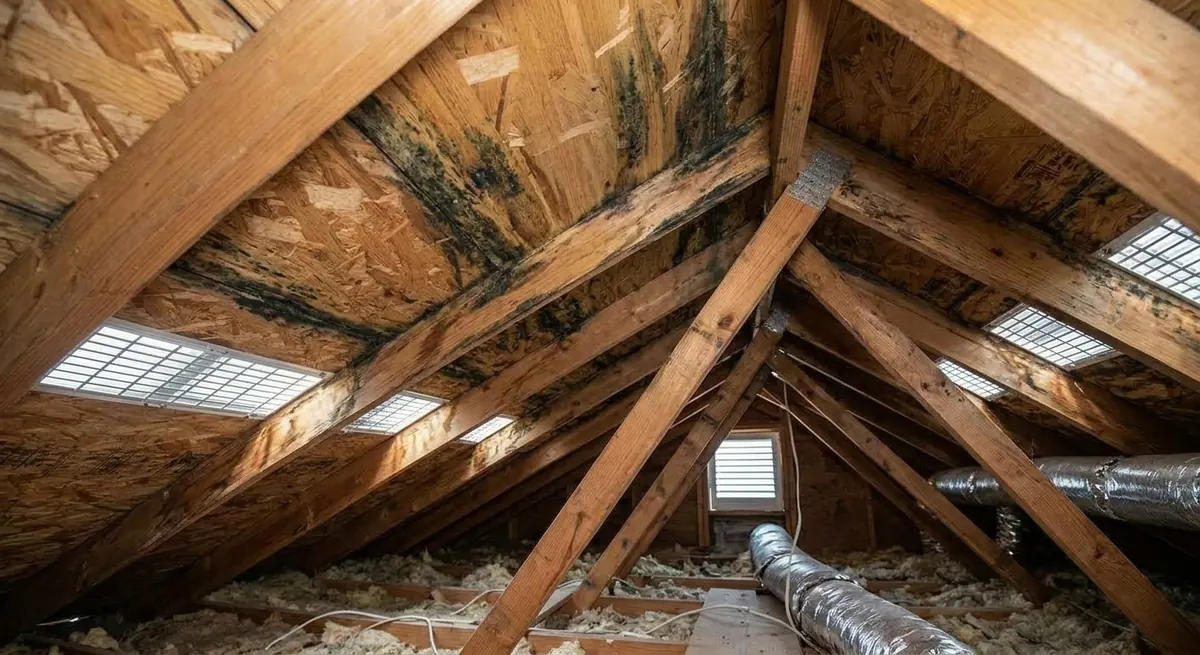
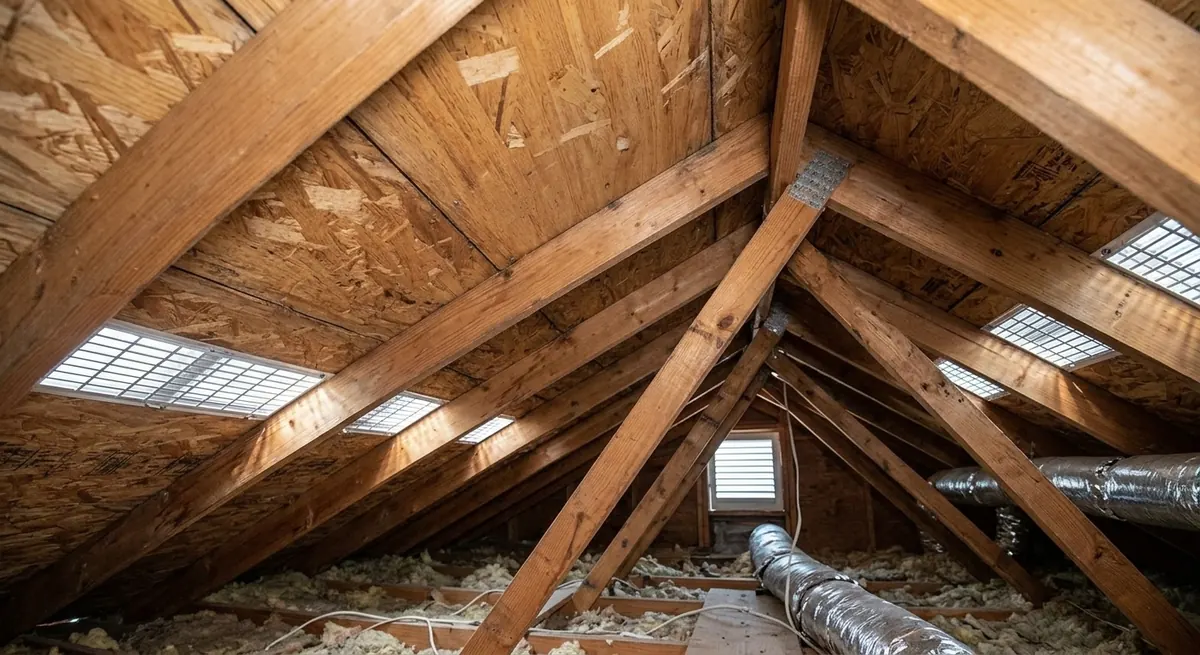
A follow-up inspection showed clean surfaces and normal moisture levels. The odor was gone, and the homeowners now have a documented report for their records.
“We had no idea the smell was coming from the attic. The report gave us real peace of mind.” — Homeowner, McLean, VA
Book Your Mold Inspection
Tell us where to reach you — we'll call back to schedule your on-site inspection.
No obligation. We confirm every request by phone.